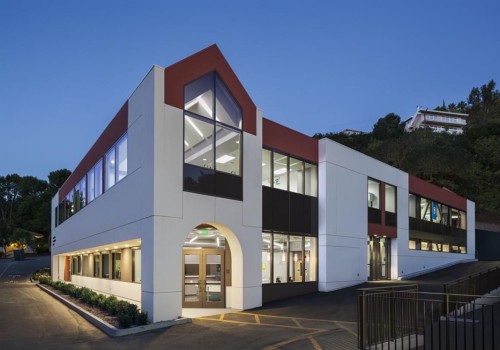
Private schools, often referred to as independent schools, are educational institutions that operate without direct funding from the government. This independence allows them to create their own curricula, set their own admission standards, and establish unique educational philosophies. Unlike public schools, which are funded by taxpayer dollars and must adhere to state regulations, private schools have the flexibility to tailor their programs to meet the specific needs of their students. This can lead to a more personalized learning environment that some families find appealing.One of the primary benefits of private schools is the smaller class sizes they typically offer.
With fewer students per teacher, educators can provide more individualized attention and support, fostering a closer relationship between students and faculty. This can be particularly advantageous for children who may struggle in larger classroom settings or require additional assistance. Furthermore, many private schools emphasize a rigorous academic curriculum, often preparing students for advanced placement courses and college readiness.When comparing private school vs public school , it’s essential to consider not only academic performance but also the overall environment and culture of the institution. Private schools often promote a specific set of values or beliefs, which can be an important factor for families seeking an education that aligns with their personal or religious convictions.
Additionally, many private institutions offer specialized programs in arts, sciences, or athletics that may not be available in public schools.Ultimately, understanding the characteristics of private schools is crucial for parents contemplating this educational path for their children. By weighing the benefits against potential drawbacks—such as tuition costs and varying admission processes—families can make informed decisions that best suit their child's needs and aspirations.
The Benefits of Private Education
Choosing a private school for your child can open the door to numerous advantages that may not be as readily available in public education settings. One of the most significant benefits is the academic rigor that many private institutions offer. These schools often have the flexibility to create their own curricula, allowing them to implement advanced programs and specialized courses that cater to students' diverse interests and abilities.Another key advantage of private education is the smaller class sizes.With fewer students per classroom, teachers can provide more individualized attention, fostering a supportive learning environment. This personalized approach not only helps students grasp complex concepts more effectively but also allows educators to identify and nurture each child's unique strengths and weaknesses.Moreover, private schools frequently emphasize a well-rounded education that extends beyond academics. Many institutions offer a variety of extracurricular activities, including arts, sports, and community service programs. These opportunities encourage students to develop essential life skills such as teamwork, leadership, and time management.Additionally, private schools often have access to better resources and facilities.
From state-of-the-art technology to well-equipped laboratories and libraries, these institutions can provide an enriched learning experience that enhances student engagement and motivation.Parents may also appreciate the values-based education that many private schools offer. Whether affiliated with a particular religious organization or focused on specific educational philosophies, these schools can instill core values and ethics that align with family beliefs.In summary, the benefits of private education are multifaceted. From enhanced academic rigor and personalized learning experiences to a broader range of extracurricular activities and values-based instruction, private schools can provide an enriching environment that supports your child's overall development. As you consider your options, it may be worthwhile to consult with a private school consultant , who can help you navigate the various choices available and find the best fit for your child's needs.
Potential Drawbacks of Private Schools
While private schools can offer numerous advantages, it is essential for parents to consider the potential drawbacks before making a decision.Understanding these disadvantages can help you make a more informed choice regarding your child's education.
High Tuition Costs
One of the most significant factors that deter families from choosing private education is the cost. Tuition fees for private schools can be exorbitant, often ranging from several thousand to tens of thousands of dollars per year. This financial burden can strain family budgets and may require sacrifices in other areas, such as extracurricular activities or savings for college. Additionally, while some private schools offer financial aid or scholarships, these opportunities are limited and highly competitive.
Parents must carefully evaluate whether the investment in private education aligns with their financial situation and long-term goals.
Lack of Diversity
Another potential drawback of private schools is the limited diversity in their student populations. Many private institutions cater to specific demographics, whether based on religious affiliation, socioeconomic status, or educational philosophy. This lack of diversity can lead to a homogenous environment that may not adequately prepare students for the real world, where they will encounter individuals from various backgrounds and cultures. Exposure to diverse perspectives is crucial for developing empathy and understanding, skills that are increasingly important in today’s global society.
Varying Educational Standards
Unlike public schools, which must adhere to state-mandated curricula and standards, private schools have more flexibility in their educational approaches.
While this can be beneficial in some cases, it also means that the quality of education can vary significantly between institutions. Some private schools may prioritize innovative teaching methods or specialized programs, while others may not meet the same academic rigor as public schools. Parents should thoroughly research each school’s accreditation status and educational outcomes to ensure that their child will receive a high-quality education.In conclusion, while private schools offer unique benefits, it is crucial for parents to weigh these against the potential drawbacks. By considering factors such as tuition costs, diversity, and educational standards, families can make a more informed decision about whether private schooling is the right fit for their child.
Evaluating Your Child's Needs
When considering whether a private school is the right choice for your child, it is essential to evaluate their individual needs and learning style.Each child is unique, and understanding their specific requirements can significantly influence their educational experience.
Assessing Your Child's Learning Style
Children learn in various ways, and identifying your child's learning style can help you determine if a private school environment will cater to their needs. Here are some common learning styles:
- Visual Learners: These children grasp information better through images, diagrams, and visual aids. If your child thrives in environments that utilize visual teaching methods, look for private schools that emphasize art, design, or multimedia resources.
- Auditory Learners: If your child learns best through listening, they may benefit from schools that incorporate discussions, lectures, and audio materials into their curriculum.
- Kinesthetic Learners: For children who learn through hands-on experiences, consider private schools that offer experiential learning opportunities, such as science labs or outdoor education programs.
Special Needs Education
If your child has special needs, it is crucial to assess how well a private school can accommodate those needs. Some private institutions specialize in providing tailored support for children with learning disabilities or other challenges.
When evaluating potential schools, consider the following:
- Individualized Education Plans (IEPs): Check if the school has experience working with IEPs and can provide the necessary resources and support.
- Teacher Training: Inquire about the qualifications of teachers regarding special education. Trained staff can make a significant difference in your child's learning experience.
- Class Size: Smaller class sizes often mean more personalized attention. Look for schools that maintain low student-to-teacher ratios.
Evaluating Academic Performance
Your child's academic performance is another critical factor to consider. Review their current grades and test scores to identify areas where they excel or struggle.
If your child is performing well in public school but lacks motivation or engagement, a private school with a more rigorous curriculum might reignite their passion for learning. Conversely, if they are struggling academically, ensure that the private school you consider offers adequate support systems to help them succeed.Ultimately, evaluating your child's needs involves a comprehensive understanding of their learning style, any special requirements they may have, and their academic performance. By taking these factors into account, you can make an informed decision about whether a private school is the right fit for your child.
The Role of a Private School Consultant
Choosing the right educational path for your child can be a daunting task, especially with the myriad of options available today. This is where a private school consultant can play a pivotal role.These professionals specialize in guiding families through the complexities of selecting a private school that aligns with their child's unique needs and aspirations.
What Does a Private School Consultant Do?
A private school consultant offers a range of services designed to simplify the school selection process. They typically begin by assessing your child's academic strengths, interests, and learning style. This personalized evaluation helps consultants recommend schools that not only meet educational standards but also foster an environment where your child can thrive.Consultants often provide:
- School Research: They conduct thorough research on various private schools, considering factors such as curriculum, extracurricular activities, and school culture.
- Application Guidance: Consultants assist families in navigating the application process, including preparing necessary documents and preparing for interviews.
- Admission Strategies: They offer insights into what schools are looking for in applicants, helping families present their child in the best light.
- Transition Support: Once a school is chosen, consultants can help ease the transition for both parents and students, ensuring a smooth adjustment to the new environment.
How to Choose a Private School Consultant
Selecting the right consultant is crucial for maximizing the benefits of their services. Here are some tips to consider:
- Experience and Expertise: Look for consultants with a proven track record in private school admissions and knowledge of local schools.
- Personalized Approach: Choose someone who takes the time to understand your child's individual needs rather than offering a one-size-fits-all solution.
- References and Reviews: Seek testimonials from other families who have used their services to gauge satisfaction and success rates.
The Benefits of Consulting
The advantages of working with a private school consultant are numerous.
Firstly, their expertise can save you time and reduce stress during what can be an overwhelming process. They provide clarity on what to expect from different schools and help you make informed decisions based on comprehensive data rather than assumptions.Moreover, consultants often have established relationships with schools, which can be beneficial during the application process. Their insights into specific schools' cultures and values can help ensure that your child finds a good fit academically and socially.In conclusion, enlisting the help of a private school consultant can significantly enhance your ability to choose the right educational setting for your child. With their guidance, you can navigate the complexities of private school admissions with confidence, ensuring that your child receives an education tailored to their needs and potential.
Researching Private Schools: Key Factors to Consider
When it comes to selecting a private school for your child, thorough research is essential.The right school can significantly impact your child's educational experience and overall development. Here are some key factors to consider during your research:
- Accreditation: One of the first things to check is whether the private school is accredited. Accreditation ensures that the school meets certain educational standards and provides quality education. Look for schools accredited by recognized organizations, as this can also affect college admissions later on.
- Curriculum Offerings: Different private schools may offer varying curricula, including traditional, Montessori, or International Baccalaureate programs.
Assess which curriculum aligns best with your child's learning style and academic goals. Additionally, consider the availability of advanced placement (AP) courses or specialized programs that cater to your child's interests.
- Extracurricular Activities: A well-rounded education extends beyond academics. Investigate the extracurricular activities available at each school, such as sports, arts, music, and clubs. These programs can enhance your child's social skills, creativity, and overall engagement in school life.
- Class Size and Teacher-to-Student Ratio: Smaller class sizes often lead to more personalized attention for students.
Research the average class size and teacher-to-student ratio at potential schools to ensure your child will receive adequate support from educators.
- Community Involvement: A strong sense of community can enrich your child's educational experience. Look for schools that encourage parental involvement and foster a supportive environment among students, teachers, and families. This can lead to lasting friendships and a more fulfilling school experience.
- School Culture and Values: Each private school has its own culture and set of values. Visit the school, if possible, to get a feel for the environment.
Speak with current students and parents to understand their experiences and how well the school's values align with your family's beliefs.
Financial Considerations: Is Private School Worth the Cost?
When considering private school for your child, one of the most significant factors to evaluate is the financial commitment involved. Private school tuition can vary widely, often ranging from a few thousand dollars to over $50,000 per year, depending on the institution's prestige, location, and facilities. Understanding these costs is crucial for making an informed decision.Tuition Costs
- On average, private elementary schools charge between $5,000 and $15,000 annually.
- Private high schools typically range from $10,000 to $30,000 per year.
- Specialized or elite institutions may exceed $50,000 annually.
These additional costs can significantly impact your overall budget.
Financial Aid Options
Fortunately, many private schools offer financial aid programs to help alleviate the burden of tuition costs. These options can include:
- Need-based scholarships: Many schools assess a family's financial situation to determine eligibility for aid.
- Merit-based scholarships: Some institutions offer scholarships based on academic performance or special talents.
- Payment plans: Schools may provide flexible payment options that allow families to spread tuition payments over the year.
- Tax credits and deductions: Depending on your state, you may qualify for tax benefits related to private school expenses.
Budgeting for Education
To effectively manage the financial implications of private schooling, it’s essential to create a comprehensive budget. Here are some steps to consider:
- Assess your current financial situation: Take stock of your income, expenses, and savings to understand how much you can allocate towards education.
- Research potential schools: Look into various private schools in your area and their associated costs. This will help you identify which institutions fit within your budget.
- Create a savings plan: If you decide on private schooling, start saving early.
Consider setting up a dedicated education fund or utilizing a 529 plan for tax advantages.
- Explore financial aid: Don’t hesitate to reach out to schools about available financial aid options. Many families qualify for assistance that can make private education more affordable.
Making the Decision: Public vs. Private Schooling
When it comes to choosing between public and private schooling, parents often find themselves at a crossroads, weighing various factors that can significantly impact their child's educational experience.Understanding the differences between these two options is crucial for making an informed decision.
Factors Influencing School Choice
- Academic Standards: Private schools often have the flexibility to set their own curricula and academic standards, which can lead to a more rigorous educational environment. In contrast, public schools must adhere to state-mandated guidelines, which can vary in quality.
- Class Size: Private schools typically offer smaller class sizes, allowing for more individualized attention and tailored instruction. Public schools, on the other hand, may have larger class sizes due to budget constraints and higher enrollment numbers.
- Cost: One of the most significant differences is the financial aspect. Private schools charge tuition, which can be a barrier for many families.
Public schools are funded by taxes and are free to attend, making them accessible to all students.
- Diversity: Public schools often reflect the demographic makeup of their communities, providing students with exposure to diverse cultures and perspectives. Private schools may have less diversity depending on their location and admission policies.
- Extracurricular Activities: Both public and private schools offer extracurricular programs, but private institutions may provide more specialized options due to their funding structures and smaller student bodies.
Pros and Cons Comparison
- Public Schools:
- Pros: No tuition fees, diverse student body, adherence to state educational standards.
- Cons: Larger class sizes, limited resources, potential for lower academic rigor.
- Private Schools:
- Pros: Smaller class sizes, potentially higher academic standards, specialized programs.
- Cons: Tuition costs can be prohibitive, less diversity in some cases, varying quality of education.
Frequently Asked Questions About Private Schools
When considering private schools for your child, it's natural to have questions and concerns. Here are some of the most frequently asked questions about private education, along with clarifications to help you make an informed decision.What is the enrollment process for private schools?
The enrollment process for private schools can vary significantly from one institution to another.Generally, it involves several key steps:
- Application Form: Parents must complete an application form that typically includes personal information about the child and family.
- Interviews: Many private schools require interviews with both the student and parents to assess fit and compatibility.
- Testing: Some schools may ask for standardized test scores or conduct their own assessments to gauge academic readiness.
- Recommendations: Letters of recommendation from previous teachers or administrators may be requested to provide insight into the child's character and academic performance.
Are private schools more academically rigorous than public schools?
While many private schools are known for their rigorous academic programs, this is not universally true. The level of academic challenge can vary widely among private institutions. Some may offer advanced placement courses, specialized programs, or a unique curriculum that emphasizes critical thinking and creativity. However, others may not differ significantly from public school offerings.It's essential to research individual schools and their academic performance metrics before making a decision.
What are common misconceptions about private schooling?
There are several misconceptions surrounding private education that can lead to confusion:- Private Schools Are Exclusively for the Wealthy: While tuition can be high, many private schools offer financial aid and scholarships to make education accessible to a broader range of families.
- All Private Schools Are Religious: Not all private institutions have a religious affiliation; there are many secular options available that focus on academic excellence without a religious framework.
- Private Schools Guarantee Better Outcomes: While some studies suggest that students in private schools perform well academically, outcomes can depend on various factors including parental involvement, school resources, and individual student needs.
Conclusion: Making an Informed Choice for Your Child's Education
In conclusion, the decision to enroll your child in a private school is a significant one that requires careful consideration and thorough research. As we have explored throughout this article, there are numerous factors that can influence whether private schooling is the right fit for your child.First and foremost, it is essential to assess your child's unique needs and learning style. Every child is different, and what works for one may not work for another. Private schools often offer specialized programs that cater to various learning styles, which can be beneficial for children who may struggle in a traditional public school setting.Additionally, the academic rigor and curriculum offered by private schools can vary widely.Some institutions may provide advanced placement courses or unique educational philosophies that align with your family's values. Therefore, it is crucial to investigate the specific programs and teaching methodologies of the schools you are considering.Another important aspect to consider is the social environment of the school. Private schools often have smaller class sizes, which can lead to more personalized attention from teachers and stronger relationships among students. However, it is also vital to evaluate the diversity and inclusivity of the school community, as these factors can significantly impact your child's social development.Cost is undoubtedly a significant consideration when evaluating private education.
While many families are willing to invest in their child's education, it is essential to weigh the financial implications against the potential benefits. Scholarships and financial aid options may be available, so exploring these avenues can help make private schooling more accessible.Finally, consulting with a private school consultant can provide invaluable insights into the admissions process and help you navigate the complexities of choosing the right school. These professionals can assist you in identifying schools that align with your child's needs and your family's values.Ultimately, making an informed choice about your child's education involves careful consideration of all these factors. By conducting thorough research and seeking guidance when necessary, you can ensure that you choose an educational path that best supports your child's growth and development.