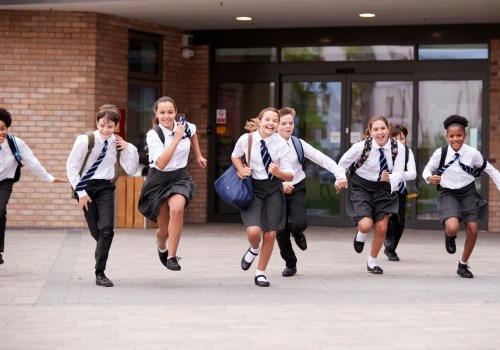
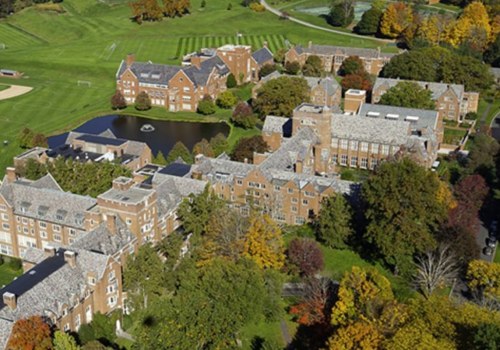
Private school education represents a distinctive approach to learning that diverges significantly from the traditional public school system. With a focus on individualized instruction and a commitment to fostering a nurturing environment, private schools cater to the diverse needs of students. This educational model not only emphasizes academic excellence but also prioritizes the development of character and values, making it an appealing choice for many families. As parents explore educational options for their children, understanding the nuances of private schooling becomes essential.One of the primary advantages of private school education is the ability to tailor learning experiences to meet the specific needs of each student.
Smaller class sizes allow for more personalized attention from educators, enabling them to identify and address individual strengths and weaknesses effectively. This level of engagement can lead to improved academic performance and a deeper understanding of the material. Furthermore, private schools often have the flexibility to design their curricula, incorporating innovative teaching methods and advanced coursework that may not be available in public schools.In addition to academic benefits, private schools frequently offer a rich array of extracurricular activities that enhance the overall educational experience. From arts programs to competitive sports, these opportunities allow students to explore their interests and develop new skills outside the classroom.
The involvement of parents in private school communities also fosters a strong support network, creating an environment where families can collaborate with educators to ensure their children thrive.For those considering this educational path, consulting with a private school consultant can provide invaluable insights into the various options available. These professionals can guide families through the selection process, helping them identify schools that align with their values and educational goals. By understanding the benefits of private school education, parents can make informed decisions that will positively impact their children's futures.
Smaller Class Sizes and Personalized Attention
One of the most significant advantages of private school education is the smaller class sizes that these institutions typically offer. Unlike public schools, where classrooms can often exceed 30 students, private schools maintain a lower student-to-teacher ratio.This structure not only fosters a more intimate learning environment but also enhances the overall educational experience for students.With fewer students in each class, teachers can devote more time and attention to individual learners. This personalized approach allows educators to tailor their teaching methods to meet the unique needs of each student. For instance, a teacher can identify a student struggling with a particular concept and provide additional support or resources without the constraints of a crowded classroom. This level of attention is particularly beneficial for students who may require extra help or those who excel and need more challenging material.
Enhanced Engagement and Participation
Smaller class sizes also encourage greater student participation.In a more intimate setting, students are often more comfortable voicing their opinions, asking questions, and engaging in discussions. This active participation not only boosts confidence but also enhances critical thinking skills as students learn to articulate their thoughts and engage with diverse perspectives.
Stronger Relationships
The close-knit environment of smaller classes fosters stronger relationships between teachers and students. Educators can develop a deeper understanding of their students' strengths, weaknesses, and interests. This rapport not only makes learning more enjoyable but also creates a supportive atmosphere where students feel valued and understood.Tailored Learning Experiences
In addition to personalized attention, smaller class sizes allow for customized learning experiences.Teachers can implement varied instructional strategies that cater to different learning styles—whether visual, auditory, or kinesthetic. This adaptability ensures that all students have the opportunity to grasp complex concepts in ways that resonate with them.Furthermore, private schools often have the flexibility to incorporate innovative teaching methods and curricula that may not be feasible in larger public school settings. This can include project-based learning, hands-on activities, and interdisciplinary approaches that make education more engaging and relevant.In conclusion, the benefits of smaller class sizes in private schools extend far beyond mere numbers. They create an environment where personalized education thrives, fostering academic success and personal growth for each student.
Parents seeking an enriching educational experience for their children will find that the advantages of smaller classes are invaluable in shaping well-rounded individuals prepared for future challenges.
Enhanced Safety and Security Measures
When it comes to choosing the right educational environment for their children, parents often prioritize safety as a top concern. Private schools are increasingly recognized for their enhanced safety and security measures, which can provide peace of mind for families. One of the most significant advantages of private schools is their lower student-to-teacher ratios. This feature not only fosters a more personalized learning experience but also contributes to a safer environment.With fewer students in each classroom, teachers can maintain closer supervision and quickly identify any potential issues that may arise.In addition to smaller class sizes, private schools typically implement controlled access to their campuses. Many private institutions utilize security measures such as gated entrances, security personnel, and visitor check-in protocols. These systems help ensure that only authorized individuals can enter the school grounds, significantly reducing the risk of unauthorized access and enhancing overall student safety.Moreover, private schools often have the flexibility to create tailored safety policies that address their specific needs. This adaptability allows them to respond more effectively to emerging safety concerns, whether they relate to physical security or mental health support.
For instance, many private schools offer counseling services and mental health resources that are readily accessible to students, promoting a holistic approach to safety.Another aspect of safety in private schools is the emphasis on community involvement. Parents are often encouraged to participate in school activities and governance, fostering a sense of shared responsibility for student well-being. This collaborative environment not only strengthens the bond between families and the school but also enhances vigilance regarding safety issues.Furthermore, private schools frequently conduct regular safety drills and training sessions for both staff and students. These proactive measures ensure that everyone is prepared for emergencies, whether they involve natural disasters or other unforeseen events.
By prioritizing safety education, private schools equip students with the knowledge and skills necessary to respond effectively in critical situations.In summary, the benefits of private school safety extend beyond mere physical security. With lower student-to-teacher ratios, controlled access points, tailored safety policies, community involvement, and proactive training measures, private schools create an environment where students can thrive academically while feeling secure. For parents considering educational options for their children, these factors make private schools an appealing choice when it comes to ensuring a safe learning environment.
Rigorous Academic Standards and Curriculum Options
Private schools are renowned for their rigorous academic standards , which often exceed those found in public education systems. This commitment to excellence is reflected in their curriculum options, designed to challenge students and prepare them for higher education and beyond.One of the key advantages of private schools is their ability to offer a diverse range of curriculum options.Unlike public schools, which must adhere to state-mandated guidelines, private institutions have the flexibility to create tailored programs that meet the unique needs and interests of their students. This flexibility allows for the incorporation of specialized subjects such as foreign languages, advanced sciences, and the arts, fostering a well-rounded education.Many private schools also provide access to advanced placement (AP) courses and honors programs. These courses are designed to challenge students academically and can lead to college credit if students perform well on AP exams. By offering these advanced courses, private schools not only enhance the academic rigor but also equip students with the skills necessary for success in college-level coursework.In addition to AP courses, some private schools offer unique programs such as the International Baccalaureate (IB) , which emphasizes critical thinking, intercultural understanding, and exposure to a global curriculum.
The IB program is recognized worldwide and can significantly enhance a student’s college application by demonstrating a commitment to academic excellence.Furthermore, private schools often implement specialized programs that cater to gifted and talented students. These programs provide an enriched learning environment where students can explore subjects in greater depth and engage in independent research projects. This not only nurtures their intellectual curiosity but also helps develop essential skills such as problem-solving and analytical thinking.The combination of rigorous academic standards and diverse curriculum options makes private schools an attractive choice for parents seeking a high-quality education for their children. By investing in a private school education, families can ensure that their children are not only challenged academically but also prepared for future success in an increasingly competitive world.
Extracurricular Activities and Holistic Development
Private schools are renowned for their commitment to providing a holistic education that extends beyond traditional academic subjects.One of the most significant aspects of this approach is the wide array of extracurricular activities available to students. These activities play a crucial role in fostering personal growth, social skills, and emotional well-being, all of which are essential components of a well-rounded education.Extracurricular programs in private schools often include:
- Sports Teams: From soccer to swimming, private schools typically offer a variety of sports that promote teamwork, discipline, and physical fitness.
- Arts Programs: Many private institutions provide opportunities for students to engage in visual arts, music, theater, and dance, allowing them to express their creativity and develop their talents.
- Clubs and Organizations: Students can join various clubs that align with their interests, such as debate club, robotics team, or environmental club. These groups encourage leadership skills and community involvement.
- Community Service: Private schools often emphasize the importance of giving back to the community through service projects, helping students develop empathy and social responsibility.
This exploration can lead to increased motivation and engagement in their overall educational experience.Moreover, involvement in extracurriculars fosters essential life skills such as time management, collaboration, and problem-solving. Students learn to balance their academic responsibilities with their extracurricular commitments, preparing them for future challenges in both higher education and the workforce.Additionally, these activities create a sense of community within the school. Students form lasting friendships and connections with peers who share similar interests, enhancing their social networks and support systems. This sense of belonging is particularly important during formative years when students are developing their identities.In conclusion, the diverse range of extracurricular activities offered by private schools significantly contributes to the holistic development of students.
By encouraging participation in sports, arts, clubs, and community service, private institutions not only enhance academic learning but also prepare students for successful futures as well-rounded individuals.
Parental Involvement and Community Engagement
One of the standout features of private school education is the strong emphasis on parental involvement and community engagement. This dynamic creates a supportive educational environment that significantly enhances the learning experience for students. In private schools, parents are not just passive observers; they are active participants in their children's education, which fosters a sense of belonging and commitment to the school community.Parental Involvement
- Private schools often encourage parents to take on various roles, from volunteering in classrooms to serving on boards or committees. This involvement allows parents to have a direct impact on school policies and practices.
- Regular communication between teachers and parents is a hallmark of private education.
Many schools utilize parent-teacher conferences, newsletters, and online portals to keep parents informed about their child's progress and school events.
- Parental engagement also extends to academic support at home. Parents are more likely to be involved in homework help, project guidance, and fostering a love for learning, which can lead to improved student outcomes.
Community Engagement
- Private schools often have strong ties to their local communities, which can enhance educational opportunities for students. Schools may partner with local businesses, organizations, and cultural institutions to provide students with real-world learning experiences.
- Community service is frequently integrated into the curriculum, teaching students the importance of giving back and developing a sense of social responsibility. This not only benefits the community but also enriches students' educational journeys.
- Events such as fundraisers, fairs, and family nights foster a sense of community among families, staff, and local residents.
These gatherings create opportunities for networking and building relationships that extend beyond the classroom.
By fostering these connections, private schools create a robust support system that benefits everyone involved—students, parents, and educators alike.
The Role of Private School Consultants
Choosing the right educational path for your child can be a daunting task, especially with the myriad of options available in today’s educational landscape. This is where a private school consultant plays a crucial role. These professionals specialize in guiding families through the complex process of selecting a private school that aligns with their child's unique needs and aspirations.The Role of Private School Consultants
A private school consultant serves as an expert advisor, helping families understand the various private school options available. They provide personalized guidance based on a family's specific circumstances, including academic goals, extracurricular interests, and social dynamics.
Consultants often conduct assessments to identify a child's strengths and weaknesses, which can significantly influence the choice of school.Moreover, these consultants are well-versed in the admission processes of different schools. They can assist families in preparing application materials, such as essays and recommendation letters, ensuring that they present their child in the best possible light. This support can be invaluable, particularly in competitive environments where many students vie for limited spots.
Benefits of Hiring a Private School Consultant
- Expert Knowledge: Consultants have extensive knowledge of various private schools, including their curricula, teaching philosophies, and extracurricular offerings. This expertise allows them to match students with schools that best fit their educational needs.
- Personalized Guidance: Every child is unique, and a consultant tailors their advice to fit individual family situations.
This personalized approach helps ensure that families make informed decisions that will benefit their child in the long run.
- Streamlined Process: Navigating the admissions process can be overwhelming. A consultant simplifies this journey by providing clear steps and timelines, reducing stress for both parents and students.
- Access to Resources: Many consultants have established relationships with schools and can provide insights or even recommendations that may not be available to the general public.
Choosing the Right Private School Consultant
When selecting a private school consultant, it’s essential to consider their experience and track record. Look for someone who has successfully guided families through the admissions process and has a deep understanding of local private schools. Additionally, personal rapport is vital; you want a consultant who listens to your concerns and understands your family's values.In conclusion, hiring a private school consultant can significantly enhance your family's ability to navigate the private education landscape effectively.
With their expertise and personalized support, you can make informed decisions that will set your child on a path toward academic success and personal growth.
Comparing Private Schools to Public Schools: A Comprehensive Overview
When evaluating educational options for children, parents often find themselves weighing the pros and cons of private schools versus public schools. Each type of institution has its own set of advantages and challenges, but private schools frequently stand out for several compelling reasons.Class Size and Individual Attention
One of the most significant differences between private and public schools is class size. Private schools typically maintain smaller class sizes, which allows for more individualized attention from teachers. This personalized approach can lead to better academic outcomes, as students receive tailored instruction that meets their unique learning needs.
In contrast, public schools often have larger classes, which can make it challenging for teachers to provide the same level of attention to each student.
Curriculum Flexibility
Private schools have the freedom to design their own curricula, which often results in innovative and specialized programs that cater to diverse learning styles. Many private institutions offer advanced placement courses, International Baccalaureate programs, and unique electives that may not be available in public schools. This flexibility allows private schools to adapt their educational offerings to better prepare students for higher education and future careers.
Values-Based Education
Another advantage of private schooling is the emphasis on values-based education. Many private schools are founded on specific educational philosophies or religious beliefs, which can foster a strong sense of community and shared values among students and families.
This environment encourages not only academic excellence but also personal growth and character development.
Parental Involvement
Private schools often promote a culture of parental involvement, encouraging families to engage actively in their children's education. This partnership between parents and educators can enhance the overall educational experience, as parents are more likely to participate in school events, volunteer opportunities, and decision-making processes. In contrast, public schools may struggle with parental engagement due to larger student populations and limited resources.
Safety and Security
Safety is a paramount concern for parents when choosing a school. Private schools generally have stricter admission policies and a higher teacher-to-student ratio, contributing to a safer environment for students.
The ability to control who enters the school premises further enhances security measures, making private institutions an appealing option for families prioritizing safety.
Extracurricular Opportunities
Private schools often provide a wider range of extracurricular activities compared to public schools. With fewer students competing for spots in clubs, sports teams, and arts programs, children in private institutions may have more opportunities to explore their interests and develop new skills outside the classroom.In summary, while both private and public schools have their merits, the unique advantages offered by private institutions—such as smaller class sizes, flexible curricula, values-based education, increased parental involvement, enhanced safety measures, and diverse extracurricular options—make them an attractive choice for many families seeking a high-quality education for their children.
Frequently Asked Questions About Private School Education
When considering private school education, parents often have numerous questions and concerns. Addressing these inquiries can help clarify the benefits and realities of enrolling a child in a private institution.What are the main differences between private and public schools?
One of the most significant differences lies in funding and governance. Private schools are funded through tuition fees, donations, and endowments, allowing them greater flexibility in curriculum design and teaching methods.In contrast, public schools rely on government funding, which can limit their resources and programs. Additionally, private schools often have smaller class sizes, which can lead to more personalized attention for each student.
Are private schools worth the cost?
The value of private school education can vary based on individual circumstances. Many parents find that the benefits—such as enhanced academic programs, extracurricular activities, and a strong sense of community—justify the tuition costs. Furthermore, private schools often provide scholarships and financial aid options to help alleviate the financial burden.How do I choose the right private school for my child?
Choosing the right private school involves several factors:- Academic Programs: Research the curriculum offered and whether it aligns with your child's learning style and interests.
- School Culture: Visit schools to get a feel for their environment and values.
Consider how well they match your family's beliefs.
- Extracurricular Activities: Look into sports, arts, and other programs that may be important for your child's development.
- Teacher Qualifications: Investigate the credentials of the faculty to ensure they are well-equipped to provide quality education.
What if my child has special needs?
Many private schools offer specialized programs for students with learning differences or disabilities. It is essential to inquire about their resources and support systems during your research. Some institutions may have dedicated staff or partnerships with specialists to assist students who require additional help.How can I get involved in my child's private school?
Parental involvement is often encouraged in private schools. Opportunities may include joining parent-teacher associations, volunteering for events, or participating in fundraising activities.Engaging with the school community not only supports your child’s education but also fosters relationships with other families.In conclusion, understanding these common questions about private school education can empower parents to make informed decisions that best suit their children's educational needs.
Conclusion: The Lasting Impact of Private School Education on Students' Lives
In conclusion, the advantages of private school education extend far beyond the classroom, shaping students into well-rounded individuals equipped for future challenges. Throughout this article, we have explored various facets of private schooling, highlighting how it fosters not only academic excellence but also personal growth and character development.One of the most significant benefits of private schools is their ability to provide a tailored educational experience. With smaller class sizes, educators can focus on individual student needs, allowing for personalized instruction that caters to diverse learning styles. This individualized attention often leads to higher academic performance and a deeper understanding of the material.Moreover, private schools typically emphasize a values-based education, instilling strong ethical principles and social responsibility in their students.This focus on character development prepares students to navigate the complexities of modern society with integrity and confidence.The enhanced safety and security measures found in private institutions further contribute to a conducive learning environment. Parents can rest assured knowing that their children are in a safe space where they can thrive academically and socially.Additionally, the rich array of extracurricular activities available at private schools allows students to explore their interests and develop new skills outside of traditional academics. From sports teams to arts programs, these opportunities encourage creativity, teamwork, and leadership—qualities that are invaluable in today’s world.As we reflect on the lasting impact of private school education, it becomes clear that the benefits extend well into adulthood. Graduates often carry with them not only a strong academic foundation but also lifelong friendships and a network of support that can open doors in their future endeavors.For parents considering educational options for their children, engaging with a private school consultant can provide valuable insights into the unique offerings of various institutions.
This guidance can help families make informed decisions that align with their educational goals and values.Ultimately, choosing a private school is an investment in a child’s future—one that can yield significant returns in terms of academic success, personal development, and overall well-being. As we have seen, the benefits are profound and far-reaching, making private education a compelling choice for many families.