In today's educational landscape, parents face a pivotal decision: choosing between private and public schools. This choice is not merely about selecting an institution; it encompasses a broader understanding of what each type of school offers and how these options align with a child's unique needs. As education becomes increasingly personalized, the role of a private school consultant can be invaluable in guiding families through this complex terrain.The differences between private and public schools extend beyond tuition costs and funding sources. Public schools are typically funded by local, state, and federal taxes, which means they must adhere to specific regulations and standards set by government entities.
In contrast, private schools operate independently, allowing them greater flexibility in their curricula, teaching methods, and overall educational philosophy. This autonomy can lead to innovative programs that cater to diverse learning styles and interests.Moreover, the choice between private and public education often reflects broader values and priorities within a family. Some parents prioritize academic rigor and specialized programs that private institutions may offer, while others may value the community aspect and inclusivity found in public schools. Understanding these nuances is crucial for making an informed decision that best supports a child's educational journey.As you navigate this important choice, consider the insights of a private school consultant , who can provide tailored advice based on your family's specific circumstances.
By weighing the pros and cons of each option, you can ensure that your child receives the education that not only meets their academic needs but also nurtures their personal growth.
1.Smaller Class Sizes and Individual Attention
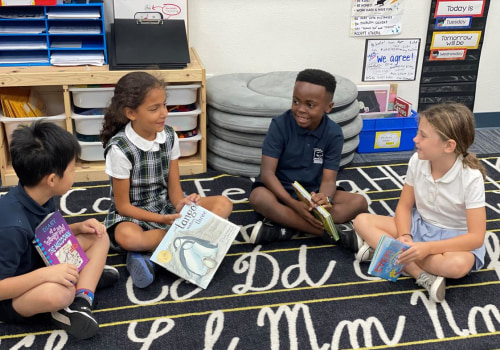
One of the most significant advantages of private schools is their ability to maintain smaller class sizes. This feature is not merely a statistic; it profoundly impacts the educational experience and outcomes for students. In private schools, the average class size is often significantly lower than that of public schools, allowing for a more intimate learning environment.With fewer students in each classroom, teachers can devote more time and attention to individual learners. This individualized attention is crucial for fostering a deeper understanding of the material.When teachers can focus on each student’s unique learning style and pace, they can tailor their instruction to meet specific needs. For instance, if a student struggles with a particular concept, the teacher can provide additional support without the pressure of managing a large group.Moreover, smaller class sizes facilitate stronger relationships between students and teachers. These relationships are essential for creating a supportive learning atmosphere where students feel comfortable asking questions and expressing their thoughts. In such an environment, students are more likely to engage actively in discussions and participate in classroom activities, which enhances their overall learning experience.Additionally, the benefits of small class sizes extend beyond academic performance.
Students in private schools often report higher levels of engagement and motivation. When teachers can recognize and nurture each student’s strengths and interests, it leads to increased enthusiasm for learning. This personalized approach not only helps students excel academically but also fosters a love for education that can last a lifetime.Furthermore, smaller classes allow for more effective classroom management. Teachers can monitor student behavior more closely, ensuring that disruptions are minimized and that all students remain focused on their studies.
This structured environment contributes to a more productive learning experience where students can thrive.In conclusion, the emphasis on smaller class sizes in private schools is a key factor that enhances individual attention and improves educational outcomes. For parents considering the best options for their children’s education, understanding the profound impact of this aspect can be instrumental in making an informed decision.
2.Enhanced Safety and Security Measures
When it comes to the safety of our children, parents often prioritize environments that minimize risks and promote well-being. Private schools have made significant strides in enhancing safety and security measures, making them a compelling choice for concerned parents. According to recent studies, private schools report nearly twice the safety levels compared to their public counterparts.This statistic alone highlights the importance of considering private education when evaluating your child's safety.One of the key factors contributing to this enhanced safety is the lower student-to-teacher ratio. With smaller class sizes, teachers can maintain closer supervision over their students, allowing for quicker identification and resolution of any behavioral issues. This proactive approach not only fosters a more secure environment but also encourages positive interactions among students.In addition to smaller class sizes, many private schools implement advanced security protocols that are often more comprehensive than those found in public schools. For instance, security personnel are frequently present on campus, providing an additional layer of protection.
Many institutions also utilize surveillance cameras strategically placed throughout the premises to monitor activities and deter potential threats.Furthermore, private schools often conduct regular safety drills and training sessions for both staff and students. These drills prepare everyone for emergencies, ensuring that they know how to respond effectively in various situations. This level of preparedness is crucial in creating a safe learning environment where students can focus on their education without fear.Another aspect worth noting is the emphasis on community involvement. Private schools typically foster a strong sense of community among parents, teachers, and students.
This close-knit environment encourages open communication about safety concerns and allows parents to actively participate in discussions regarding school policies and security measures. Such collaboration can lead to more effective solutions tailored to the specific needs of the school community.In conclusion, the enhanced safety and security measures found in private schools provide parents with peace of mind regarding their children's well-being. With lower student-to-teacher ratios, advanced security protocols, regular training drills, and strong community involvement, private schools create an environment where students can thrive academically while feeling secure. As you consider your options for your child's education, these factors should weigh heavily in your decision-making process.
3.Tailored Curriculum and Diverse Learning Opportunities
One of the standout features of private schools is their ability to offer a tailored curriculum that caters to the unique interests and needs of each student.Unlike public schools, which often adhere to a standardized curriculum dictated by state guidelines, private schools have the flexibility to design their educational programs. This flexibility allows them to incorporate specialized subjects and innovative teaching methods that resonate with students.Private schools frequently provide a diverse array of courses that go beyond the traditional subjects. For instance, students may have the opportunity to engage in advanced placement classes, foreign languages, arts, and even vocational training. This variety not only enriches the educational experience but also allows students to explore their passions and discover new interests.
Personalized Learning Experiences
Another significant advantage of private schools is their commitment to personalized learning experiences.With smaller class sizes, teachers can devote more time to understanding each student's learning style and academic strengths. This individualized attention enables educators to tailor lessons that meet the specific needs of their students, fostering a more effective learning environment.For example, if a student excels in mathematics but struggles with writing, a private school can provide additional resources or specialized instruction in writing without compromising the student's progress in math. This adaptability is crucial for nurturing a child's academic growth and confidence.
Extracurricular Activities and Specialized Programs
In addition to a flexible curriculum, private schools often offer a wealth of extracurricular activities that enhance student development. These programs can range from sports teams and music ensembles to debate clubs and community service initiatives.Such activities not only promote teamwork and leadership skills but also allow students to build friendships outside of the classroom.Moreover, many private schools have partnerships with local organizations or businesses that provide students with unique opportunities for internships or mentorships. These experiences can be invaluable as they prepare students for future academic pursuits or career paths.In conclusion, the ability of private schools to offer a diverse curriculum and personalized learning experiences sets them apart from public schools. By focusing on individual student needs and providing a wide range of extracurricular options, private schools create an enriching educational environment that fosters both academic success and personal growth.
4.Stronger Parental Involvement and Community Engagement
One of the standout features of private schools is the enhanced level of parental involvement and community engagement they foster. This aspect is not merely a byproduct of smaller class sizes; it is a fundamental part of the private school ethos that actively encourages parents to participate in their children's education.In private schools, parents often find themselves in a position where their voices are not only heard but valued.This is largely due to the governance structure of many private institutions, which typically allows for greater parental input in decision-making processes. Parents can engage in school boards, committees, and various initiatives that shape the educational environment. This level of involvement can lead to a more tailored educational experience for students, as parents can advocate for specific programs or resources that align with their children's needs.Moreover, the sense of community in private schools is palpable. Many institutions prioritize building strong relationships among families, faculty, and staff.
This collaborative atmosphere creates a network of support that extends beyond academics. Parents often participate in fundraising events, volunteer opportunities, and social gatherings that strengthen bonds within the school community. Such engagement not only enriches the school culture but also provides students with a sense of belonging and security.The benefits of engaged parents are manifold. Research has consistently shown that when parents are involved in their children's education, students tend to perform better academically and exhibit improved behavior.
In private schools, this partnership between parents and educators can lead to innovative programs and extracurricular activities that might not be feasible in public schools due to budget constraints or bureaucratic limitations.Furthermore, private schools often host workshops and informational sessions aimed at educating parents about various aspects of child development and effective parenting strategies. These initiatives empower parents with knowledge and tools to support their children’s learning at home, creating a holistic approach to education.In conclusion, the stronger parental involvement and community engagement found in private schools create an enriching environment that benefits both students and families. By fostering collaboration between parents and educators, these institutions not only enhance educational outcomes but also cultivate a vibrant community where every member feels invested in the success of its students.
5.Building Lifelong Relationships and Social Skills
One of the most significant advantages of attending a private school is the opportunity for students to build lifelong relationships and develop essential social skills. In a private school setting, the smaller class sizes foster a close-knit community where students can interact more meaningfully with their peers and teachers.This intimate environment encourages collaboration, communication, and mutual respect, which are vital components of social development.Private schools often emphasize the importance of extracurricular activities , which play a crucial role in enhancing social skills. These activities provide students with opportunities to engage in teamwork, leadership, and problem-solving outside the traditional classroom setting. Whether it’s through sports teams, drama clubs, or student government, students learn to work together towards common goals, navigate conflicts, and celebrate each other’s successes.Moreover, the diverse range of extracurricular options available in private schools allows students to explore their interests and passions. This exploration not only helps them discover their strengths but also enables them to connect with like-minded peers.
For instance, a student who joins a debate club may form strong bonds with fellow members who share similar interests in public speaking and critical thinking.In addition to peer relationships, private schools often provide students with access to dedicated mentors. Teachers in private institutions typically have more time to invest in their students' personal growth. This mentorship can lead to meaningful connections that extend beyond academics. Students can seek guidance on various aspects of life, from academic challenges to personal dilemmas, fostering a sense of trust and support.Furthermore, the emphasis on community involvement in private schools encourages students to engage with their local environment.
Many private institutions organize community service projects that allow students to work together while giving back to society. These experiences not only enhance social responsibility but also help students develop empathy and understanding for others.In conclusion, the environment cultivated by private schools significantly contributes to the development of social skills and relationships among students. By participating in smaller communities and engaging in various extracurricular activities, students are better equipped to navigate social interactions throughout their lives. The relationships formed during these formative years can lead to lasting friendships and valuable networking opportunities in the future.
Frequently Asked Questions About Private Schools
When considering a private school for your child, it's natural to have questions.Here are some of the most frequently asked questions about private education that can help guide your decision-making process.
What are the costs associated with private schools?
The cost of private school tuition can vary significantly based on location, school reputation, and the programs offered. On average, parents can expect to pay anywhere from $5,000 to $30,000 per year. However, many private schools offer financial aid and scholarships to help offset these costs. It's essential to inquire about financial assistance options when researching schools.How does the admissions process work?
The admissions process for private schools typically involves several steps:- Application Form: Parents must complete an application form that provides basic information about the student.
- Interviews: Many schools require an interview with the student and their parents to assess fit and compatibility.
- Testing: Some private schools may require standardized testing or assessments to evaluate a student's academic readiness.
- Recommendations: Schools often ask for recommendations from previous teachers or administrators.
How do private schools compare to public schools?
Private schools often provide a different educational experience compared to public schools.Here are some key differences:
- Class Size: Private schools generally have smaller class sizes, allowing for more individualized attention from teachers.
- Curriculum Flexibility: Private institutions have the freedom to design their own curricula, which can lead to innovative teaching methods and specialized programs.
- Parental Involvement: Parents often find they have a greater voice in private schools regarding policies and educational approaches.
What should I look for when choosing a private school?
When selecting a private school, consider the following factors:- Accreditation: Ensure the school is accredited by a recognized body, which can be an indicator of quality education.
- Cultural Fit: Visit the school and observe its environment. Does it align with your family's values and expectations?
- Extracurricular Activities: Look for schools that offer a variety of extracurricular programs that can enhance your child's social skills and interests.
Conclusion: Making the Right Choice for Your Child's Education
In conclusion, the decision between private and public schooling is a significant one that can shape your child's educational journey and future opportunities. Throughout this article, we have explored several compelling reasons why private schools often provide a superior educational experience compared to their public counterparts.First and foremost, the smaller class sizes in private schools facilitate a more personalized learning environment. This allows teachers to focus on individual student needs, fostering a deeper understanding of the material and encouraging academic growth.With fewer students to manage, educators can tailor their teaching methods to suit different learning styles, ensuring that each child receives the attention they deserve.Moreover, the enhanced safety measures in private schools cannot be overlooked. The lower student-to-teacher ratio not only promotes better supervision but also creates a more secure atmosphere where students can thrive without the distractions or dangers that may be present in larger public school settings.The flexibility in curriculum design is another significant advantage of private education. Private schools often have the freedom to innovate and adapt their programs based on student interests and community needs. This means that your child can engage in a diverse range of subjects and extracurricular activities that may not be available in public schools, allowing them to explore their passions and develop new skills.Additionally, the strong sense of community found in many private schools fosters meaningful relationships among students, parents, and faculty.
This collaborative environment encourages parental involvement and gives families a voice in their child's education, which can lead to a more fulfilling school experience.Ultimately, choosing the right educational path for your child requires careful consideration of their unique needs and aspirations. As you weigh your options, remember that investing in a private school education can provide your child with invaluable resources, support, and opportunities that will benefit them for years to come. By prioritizing their individual learning style and personal growth, you are setting them up for success both academically and socially.As you embark on this important decision-making process, consider consulting with a private school consultant who can provide expert guidance tailored to your family's specific situation. With the right support and information, you can make an informed choice that aligns with your child's best interests.