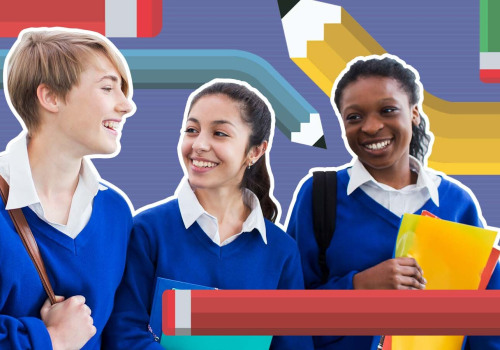
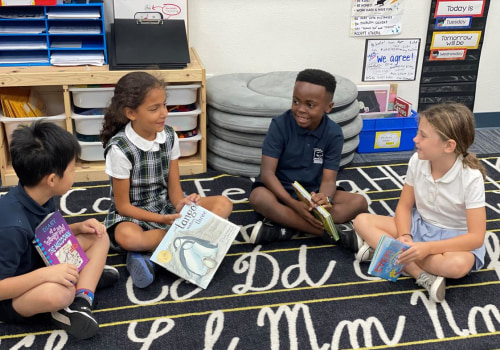
Choosing the right educational path for your child is one of the most significant decisions a parent can make. As families explore their options, private education often emerges as a compelling choice. Private schools offer a unique environment that prioritizes individualized learning, fostering not only academic excellence but also personal growth. This tailored approach allows educators to focus on the specific needs and strengths of each student, creating a more engaging and effective learning experience.The advantages of private schools extend beyond just academics.
Many institutions emphasize a holistic approach to education, integrating values such as ethics, responsibility, and community involvement into their curricula. This focus on character development helps students cultivate essential life skills that are crucial for success in today’s world. Furthermore, private schools often boast smaller class sizes, which facilitate closer relationships between teachers and students. This intimate setting encourages open communication and allows educators to provide personalized attention, ensuring that no child falls through the cracks.Another significant benefit of private education is the diverse range of extracurricular activities available.
From sports teams to arts programs, private schools often provide students with opportunities to explore their interests outside the classroom. These activities not only enhance social skills but also foster a sense of belonging and community among students. As parents consider the best educational options for their children, understanding these benefits can help them make informed decisions that align with their family’s values and aspirations.
Academic Excellence in Private Schools
When it comes to academic performance, private schools often set themselves apart from their public counterparts through a combination of rigorous curricula, advanced placement options, and a commitment to high educational standards. These factors contribute significantly to the overall success of students, preparing them not only for higher education but also for lifelong learning.One of the primary advantages of private schools is their ability to design and implement a curriculum that meets the needs of their students.Unlike public schools, which must adhere to state-mandated guidelines, private institutions have the flexibility to create specialized programs that emphasize critical thinking, creativity, and problem-solving skills. This tailored approach allows educators to focus on the individual strengths and weaknesses of each student, fostering an environment where academic excellence can thrive.Many private schools offer advanced placement (AP) courses and International Baccalaureate (IB) programs, which challenge students with college-level coursework while still in high school. These programs not only enhance a student's academic profile but also provide them with the opportunity to earn college credits before even stepping foot on a university campus. The availability of such programs is a testament to the high educational standards maintained by private institutions.Moreover, private schools often boast smaller class sizes, which facilitate more personalized instruction.
With fewer students in each classroom, teachers can devote more time to individual learners, ensuring that no child falls behind. This intimate learning environment encourages active participation and engagement, allowing students to ask questions freely and explore subjects in greater depth.In addition to academic rigor, private schools frequently emphasize character development and ethical education as part of their curriculum. This holistic approach not only prepares students academically but also instills values such as integrity, responsibility, and respect for others—qualities that are essential for success in both personal and professional realms.Ultimately, choosing a private school can provide your child with an educational experience that prioritizes academic excellence, fosters personal growth, and prepares them for future challenges. By investing in a private education, parents are not just opting for a different school; they are choosing an environment where their children can truly excel.
Personalized Attention and Smaller Class Sizes
One of the most compelling advantages of private schools is their commitment to maintaining smaller class sizes.This feature significantly enhances the educational experience by allowing for more personalized attention from teachers. In contrast to public schools, where classrooms can often exceed 30 students, private institutions typically maintain a much lower student-to-teacher ratio. This dynamic fosters an environment where educators can truly engage with each student on an individual level.With fewer students in each class, teachers can tailor their instruction to meet the unique needs of each child. This personalized approach not only helps in addressing different learning styles but also allows for more effective intervention when a student struggles with a particular concept.
For instance, if a child is excelling in mathematics but finding reading challenging, a teacher can provide targeted support and resources to help bridge that gap.Moreover, smaller class sizes encourage greater student engagement. In an intimate classroom setting, students are more likely to participate actively in discussions, ask questions, and express their thoughts without the fear of being overshadowed by their peers. This active participation is crucial for developing critical thinking skills and fostering a love for learning.Additionally, the close-knit environment of smaller classes cultivates strong relationships between students and teachers. These relationships can lead to increased motivation and accountability among students.
When children feel known and valued by their educators, they are more likely to take ownership of their learning journey.Furthermore, private schools often have the flexibility to adapt their curricula based on the interests and strengths of their students. This adaptability is particularly beneficial for gifted learners or those with special needs, as it allows for a customized educational experience that public schools may struggle to provide due to larger class sizes and standardized curricula.In summary, the benefits of smaller class sizes in private schools extend far beyond mere numbers. They create an environment where personalized education thrives, fostering deeper connections between teachers and students while enhancing overall academic performance. For parents seeking an educational setting that prioritizes individualized attention and engagement, private schools present a compelling option.
A Safe and Supportive Learning Environment
When considering educational options for your child, the importance of a safe and supportive learning environment cannot be overstated.Private schools often prioritize creating a nurturing atmosphere that fosters both academic success and personal growth. This commitment to safety and support is evident in various aspects of the school culture.One of the primary advantages of private schools is their ability to maintain a secure environment. With smaller student populations, private institutions can implement more effective safety measures. This includes:
- Controlled Access: Many private schools have restricted entry points, ensuring that only authorized individuals can enter the premises.
- Vigilant Staff: The lower staff-to-student ratio allows teachers and administrators to monitor students closely, quickly addressing any potential issues before they escalate.
- Emergency Preparedness: Private schools often have comprehensive emergency plans in place, including regular drills and training for staff and students.
Private schools typically emphasize values such as respect, responsibility, and community involvement. This focus on ethics creates an environment where students feel valued and understood. Key elements of this supportive culture include:
- Open Communication: Private schools encourage dialogue between students, parents, and faculty, fostering a sense of belonging and trust.
- Personalized Attention: With smaller class sizes, teachers can tailor their approach to meet individual student needs, helping them thrive academically and emotionally.
- Extracurricular Opportunities: Many private schools offer a wide range of extracurricular activities that promote teamwork, leadership skills, and social connections among students.
In fact, studies show that children in private schools report feeling safer and more connected to their peers compared to their public school counterparts.In conclusion, choosing a private school for your child means prioritizing their safety and emotional well-being. The emphasis on creating a secure and supportive learning environment can significantly impact their educational journey, equipping them with the confidence and skills necessary for future success.
Extracurricular Opportunities and Holistic Development
Private schools are renowned for their commitment to holistic education, which extends far beyond the confines of traditional academic learning. One of the most significant advantages of enrolling your child in a private school is the extensive range of extracurricular activities available, designed to foster personal growth, social skills, and emotional intelligence.Sports Programs
- Private schools often offer a diverse array of sports programs, from traditional team sports like basketball and soccer to less common options such as fencing or rowing. This variety allows students to explore different interests and discover their athletic talents.
- The smaller class sizes typical of private schools mean that more students can participate in sports teams, ensuring that everyone has the opportunity to engage in physical activity and teamwork.
- Participation in sports not only promotes physical health but also teaches valuable life skills such as discipline, leadership, and resilience.
Arts and Creative Expression
- Many private schools place a strong emphasis on the arts, offering programs in music, theater, visual arts, and dance.
These programs encourage students to express themselves creatively and develop their artistic talents.
- Through participation in arts programs, students learn to appreciate different forms of expression and gain confidence in their abilities. This creative outlet can be particularly beneficial for children who may struggle with traditional academic subjects.
- Moreover, involvement in the arts fosters collaboration and communication skills as students often work together on projects or performances.
Community Service Initiatives
- Private schools frequently incorporate community service into their curricula, encouraging students to engage with their local communities. This involvement helps instill a sense of responsibility and empathy in young people.
- Through service projects, students learn about social issues and develop a greater understanding of the world around them. This experience can be transformative, shaping them into compassionate leaders who are aware of their impact on society.
- Additionally, community service can enhance college applications by demonstrating a commitment to civic engagement and social responsibility.
By choosing a private school for your child, you are investing in an environment that values holistic development, preparing them for future challenges both inside and outside the classroom.
Values and Ethics in Private Education
One of the most compelling reasons to consider a private school for your child is the emphasis on values education and ethics. Private schools often integrate these principles into their curricula, fostering an environment where character development is as important as academic achievement. This holistic approach not only prepares students for academic success but also equips them with the moral framework necessary to navigate the complexities of life.In many private schools, the curriculum is designed to promote ethical reasoning and decision-making. Students are encouraged to engage in discussions about morality, justice, and responsibility, which helps them develop a strong sense of right and wrong.This focus on ethics is not merely theoretical; it is woven into the fabric of daily school life. For instance, students might participate in community service projects that emphasize empathy and social responsibility, allowing them to apply their learning in real-world contexts.Moreover, private schools often have a defined set of values that guide their educational philosophy. These values can range from respect and integrity to compassion and perseverance. By instilling these principles early on, private schools help students cultivate a strong moral compass that will guide their actions throughout their lives.
This is particularly important in today’s world, where ethical dilemmas are increasingly prevalent.Character development is another critical aspect of private education. Many institutions prioritize creating a supportive community where students can learn from one another and grow together. This collaborative environment fosters mutual respect and understanding, allowing students to appreciate diverse perspectives while remaining grounded in their own values.Furthermore, the smaller class sizes typical of private schools enable teachers to provide personalized attention to each student. This individualized approach allows educators to mentor students effectively, guiding them in their moral and ethical development.
Teachers often serve as role models, demonstrating how to live out the values taught in the classroom.In conclusion, choosing a private school for your child can significantly impact their character development and ethical understanding. By prioritizing values education and fostering an environment rich in moral guidance, private schools prepare students not just for academic success but for meaningful lives as responsible citizens.
Financial Aid Options: Making Private School Accessible
When considering a private school education for your child, the cost can often be a significant concern for many families. However, numerous financial aid options exist to help make private education more accessible, ensuring that children from various economic backgrounds can benefit from the unique opportunities these institutions offer.Many private schools understand the financial burden that tuition can impose and have developed comprehensive tuition assistance programs. These programs are designed to alleviate some of the financial pressure on families, allowing them to focus on their child's education rather than solely on the cost.Here are some common types of financial aid options available:
- Need-Based Financial Aid: This type of aid is awarded based on a family's financial situation. Schools typically require families to submit detailed financial information, which is then assessed to determine eligibility for assistance. Many schools use standardized forms like the FAFSA or the SSS (School and Student Services) to evaluate need.
- Merit-Based Scholarships: Some private schools offer scholarships based on academic achievement, artistic talent, or athletic ability. These awards are often competitive and can significantly reduce tuition costs for high-achieving students.
- Sibling Discounts: Families with multiple children enrolled in the same private school may qualify for discounts on tuition.
This policy encourages families to keep their children within the same educational environment.
- Flexible Payment Plans: Many private schools provide flexible payment options that allow families to spread tuition payments over the course of the year rather than paying a lump sum upfront. This can make budgeting for education more manageable.
- Grants and Endowments: Some schools have established funds specifically for providing financial aid. These grants do not need to be repaid and can significantly lower the overall cost of education.
By taking advantage of these resources, families can make informed decisions about their child's education without being deterred by financial constraints.Ultimately, investing in a private school education can yield significant long-term benefits for your child, and with the right financial support, it can be an achievable goal for many families.
The Role of a Private School Consultant in Your Decision-Making Process
Choosing the right private school for your child can be a daunting task, given the myriad of options available and the unique needs of each student. This is where a private school consultant can play a pivotal role in your decision-making process. These professionals specialize in guiding families through the complexities of selecting an educational institution that aligns with their child's academic, social, and emotional needs.Benefits of Hiring a Private School Consultant
- Expert Knowledge: Private school consultants possess extensive knowledge about various schools, their curricula, extracurricular offerings, and admission processes. They stay updated on trends in education and can provide insights that may not be readily available to parents.
- Personalized Guidance: Every child is unique, and a consultant can tailor their advice based on your child's strengths, weaknesses, interests, and learning style.
This personalized approach ensures that you consider schools that will best support your child's development.
- Streamlined Process: The application process for private schools can be intricate and time-consuming. A consultant can help streamline this process by assisting with paperwork, deadlines, and preparation for interviews or entrance exams.
- Access to Resources: Consultants often have access to resources such as school rankings, reviews from other parents, and insider information about the admissions landscape. This information can be invaluable in making an informed choice.
Choosing the Right Private School Consultant
When selecting a private school consultant, consider the following factors:
- Experience: Look for consultants with a proven track record in helping families successfully navigate the private school landscape. Their experience can provide you with confidence in their recommendations.
- Specialization: Some consultants may specialize in specific types of schools (e.g., religious, Montessori, or gifted programs).
Ensure that their expertise aligns with your educational goals for your child.
- Personal Connection: A good consultant should be someone you feel comfortable communicating with. Trust and rapport are essential for effective collaboration.
Consulting Services for Education Choices
A private school consultant typically offers a range of services designed to assist families at every stage of the decision-making process. These services may include:
- Initial consultations to assess your child's needs and family preferences.
- Researching and recommending suitable schools based on your criteria.
- Assistance with application preparation, including essays and interviews.
- Guidance on financial aid options and scholarship opportunities.
Addressing Common Concerns About Private Schools
When considering private education for your child, it's natural to have concerns and questions.This section aims to address some of the most common misconceptions about private schools and clarify the differences between public and private education.
Are Private Schools Exclusively for Wealthy Families?
A prevalent misconception is that private schools are only accessible to affluent families. While it is true that some private institutions have high tuition fees, many offer financial aid and scholarships to ensure that a diverse range of students can attend. For instance, numerous private schools allocate a significant portion of their budget to assist families in need, making quality education more accessible.Do Private Schools Provide a Superior Education?
Another common concern revolves around the quality of education in private versus public schools. While many private schools boast smaller class sizes and individualized attention, it is essential to evaluate each school on its own merits.Factors such as curriculum, teacher qualifications, and extracurricular offerings play a crucial role in determining educational quality. Research shows that students in private schools often perform well academically, but this can vary widely depending on the institution.
What About Diversity in Private Schools?
Some parents worry that private schools lack diversity compared to public schools. While it is true that some private institutions may have less racial or socioeconomic diversity, many are actively working to create inclusive environments. Schools are increasingly recognizing the importance of diversity and are implementing programs to attract a broader range of students.Are Private Schools Too Rigid?
Concerns about rigidity in private school curricula are also common.However, many private schools offer innovative programs that encourage critical thinking and creativity. Unlike public schools, which must adhere strictly to state standards, private institutions often have the flexibility to design their curricula, allowing for a more tailored educational experience.
Public vs. Private: Which is Better?
The debate between public and private education is ongoing, with valid arguments on both sides. Public schools provide free education funded by taxpayers, which can be a significant advantage for families concerned about costs.On the other hand, private schools often offer specialized programs and a unique educational philosophy that may better align with your child's needs.Ultimately, the decision should be based on your child's individual needs, learning style, and your family's values. Engaging with a private school consultant can provide valuable insights tailored to your specific situation, helping you navigate this important choice.
Conclusion: The Lasting Impact of Private Education on Your Child's Future
In conclusion, the decision to enroll your child in a private school can have profound and lasting effects on their educational journey and future success. Throughout this article, we have explored various aspects of private education, highlighting its unique advantages over public schooling.One of the most significant benefits of private schools is the personalized attention students receive. With smaller class sizes and a lower student-to-teacher ratio, educators can tailor their teaching methods to meet individual learning styles and needs.This personalized approach not only enhances academic performance but also fosters a deeper understanding of the material.Moreover, private schools often emphasize a strong set of values and ethics, creating a nurturing environment where children can thrive both academically and socially. The focus on character development helps students build essential life skills such as leadership, teamwork, and resilience—qualities that are invaluable in today’s competitive world.Additionally, the sense of community found in private schools cannot be overstated. Parents and families are actively involved in the school environment, contributing to a supportive network that encourages student engagement and success. This involvement often leads to lasting friendships and connections that extend beyond the classroom.Furthermore, private schools frequently offer a wide range of extracurricular activities, from sports to arts programs, allowing students to explore their interests and develop new talents.
These opportunities not only enrich the educational experience but also help students discover their passions and potential career paths.As we consider the long-term impact of education on a child’s future, it becomes clear that the advantages provided by private schooling can lead to greater opportunities in higher education and beyond. Graduates from private schools often find themselves better prepared for college challenges, equipped with critical thinking skills and a strong work ethic.Ultimately, choosing a private school is an investment in your child's future. By providing them with a high-quality education that prioritizes their individual needs and fosters personal growth, you are setting them on a path toward success. As you weigh your options, remember that the right educational environment can make all the difference in shaping your child's life.